
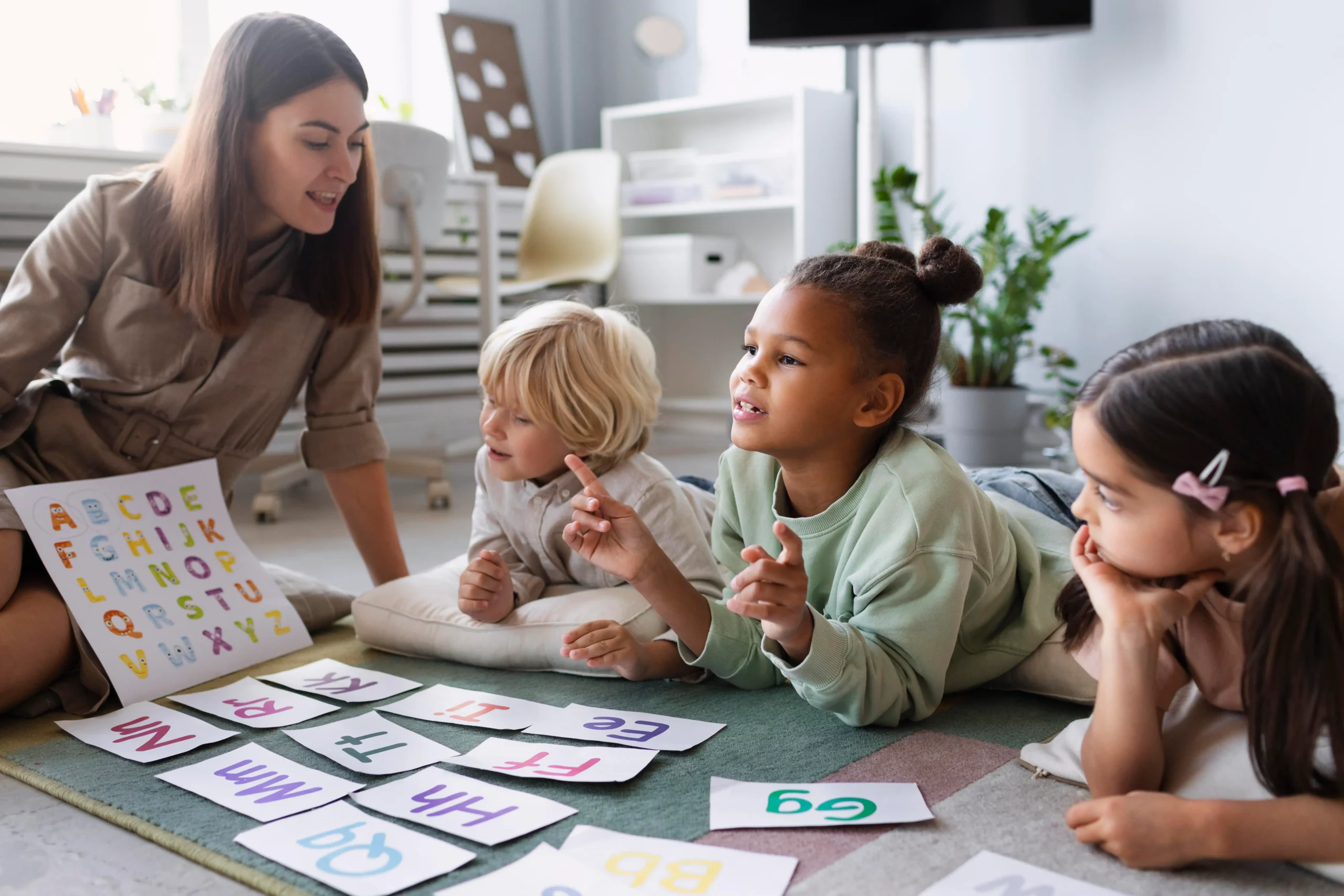
Parenting in the United Kingdom has grown more challenging as children navigate a world full of digital distractions and social pressures. Many youngsters struggle to understand the feelings of others, which can lead to conflict at home or in school. Parents often find themselves unsure how to guide their children in showing care, respect, and understanding in everyday situations.
This guide focuses on practical ways of teaching children respect and empathy while also building emotional intelligence in children. You will discover simple strategies on how to encourage kindness and empathy in children so that they can develop stronger relationships, improve their behaviour, and grow into thoughtful, confident individuals.
Hidden Behaviour Problems Parents Often Overlook:
Many parents notice challenging behaviour in their children but are unsure why it happens or how to manage it effectively. Recognising these hidden issues early can prevent long-term frustration and support healthier emotional growth.
Common Behaviour Challenges
- Lack of respect towards elders: Children may ignore instructions or speak rudely, which can create tension at home and in school.
- Difficulty sharing or cooperating: Struggling to take turns, work in groups, or follow simple rules can affect friendships and classroom participation.
- Emotional outbursts and frustration: Children may react strongly to minor setbacks, showing anger, crying, or withdrawal instead of calm responses.
- Avoidance of responsibility: Some children resist completing tasks or helping with chores, signalling difficulty in understanding accountability.
- Limited empathy towards peers: Children may struggle to understand how their actions affect others, leading to conflicts or isolation.
- Frequent arguments or defiance: Persistent arguing or refusal to follow guidance can indicate underlying emotional or social challenges.
User Experience Insight:
Parents often see these behaviours and feel concerned, yet they struggle to identify the root causes. Many times, it is not a lack of discipline but a need for guidance in building emotional intelligence in children and learning social skills.
Solution Bridge:
Structured approaches, such as kids’ behaviour improvement programmes, can help children develop respect, patience, and empathy while offering practical tools for parents to support their growth. These programmes provide clear steps to encourage positive behaviour and address hidden issues effectively.
Building Emotional Intelligence in Children:
Helping children understand their own emotions and those of others forms the foundation of strong social skills. Daily conversations about feelings encourage self-awareness and give children the language to express themselves confidently. Rather than pushing emotions aside, guiding them to share and discuss their experiences fosters emotional growth.
A child who can name their emotions learns to manage reactions calmly, responding thoughtfully instead of reacting impulsively. Teaching emotional vocabulary and reflective thinking equips children with tools for better decision-making, stronger relationships, and long-term confidence.
7 Powerful Ways to Teach Children Respect and Empathy:
Teaching children respect and empathy starts with everyday actions and guidance. By combining practical strategies with reflection and discussion, parents can nurture kindness, understanding, and strong social skills. Developing cultural awareness for children and encouraging emotional growth helps them navigate friendships, school life, and family interactions confidently while learning why empathy is important for children.
- Model Respectful Behaviour at Home:
Children learn most effectively by observing adults. When you speak politely, share responsibilities, and show consideration, they absorb these habits naturally. This is a key part of teaching children respect and empathy, as they see respect in action. Simple gestures like saying thank you, listening attentively, and acknowledging others’ feelings demonstrate behaviours children can mirror in everyday life.
- Use Real-Life Situations to Teach Empathy:
Everyday experiences provide opportunities for learning empathy. Discussing a friend’s disappointment, helping someone in need, or resolving small conflicts teaches children to recognise emotions in others. Practical examples connect directly with why empathy is important for children, helping them understand consequences and encouraging thoughtful responses. This also supports building emotional intelligence in children through reflection and discussion.
- Encourage Kindness Through Small Daily Actions:
Small gestures, like sharing toys or complimenting classmates, reinforce compassion and consideration. Parents and teachers can reward these actions to motivate repetition. Practising kindness daily is one of the most effective ways of encouraging kindness and empathy in children, and it also lays the foundation for positive social behaviour, reducing conflicts and improving relationships both at home and at school.
- Introduce Cultural Awareness Activities:
Exposing children to different traditions, festivals, and lifestyles helps them appreciate diversity. Cultural education for kids encourages tolerance, understanding, and curiosity about others. Activities like celebrating national holidays, reading stories from different cultures, or cooking international dishes develop cultural awareness for children and, at the same time, enhance teaching children respect and empathy in a fun and engaging way.
- Practise Active Listening Skills:
Teaching children to listen carefully shows them that other people’s feelings matter. Encouraging eye contact, summarising what someone says, and asking thoughtful questions builds emotional intelligence in children. Active listening not only improves communication but also teaches patience, understanding, and respect for differing opinions. Children who are heard are more likely to practise empathy in their own interactions.
- Use Storytelling to Build Emotional Connections:
Stories are powerful tools for teaching feelings, relationships, and moral lessons. Reading or narrating tales where characters show kindness, honesty, or courage helps children understand perspectives. Storytelling supports how to encourage kindness and empathy in children and highlights why empathy is important for children, making abstract concepts tangible and memorable. Children learn to identify emotions and reflect on how their actions affect others.
- Reward Positive Behaviour (Not Just Discipline):
Acknowledging and reinforcing good behaviour encourages repetition and builds self-confidence. Praise for sharing, helping, or showing consideration supports kids’ behaviour improvement programmes and strengthens lessons in respect and empathy. Positive reinforcement complements guidance, helping children internalise values rather than acting only to avoid punishment. Rewarding small steps encourages consistent practice of kindness, respect, and emotional awareness.
Teaching Culture & Diversity in the United Kingdom:
Helping children appreciate different cultures and backgrounds is essential for their social and emotional growth. Parents and teachers can use simple, practical methods to make diversity relatable and engaging.
- Importance of multicultural awareness: Exposing children to various traditions, languages, and lifestyles helps them develop tolerance, respect, and curiosity.
- Teaching respect for different backgrounds: Encourage discussions about other people’s experiences and emphasise that everyone’s culture and beliefs matter.
- Activities for inclusive learning: Use storytelling, celebrate cultural festivals, explore world music or food, and involve children in group projects that highlight diversity.
- Practical solution for parents: When children ask, “How do I explain cultural differences to my child?” share stories, organise cultural events at home or school, and include interactive exercises that promote understanding.
- Benefit to emotional growth: Learning about diversity supports cultural awareness for children, strengthens empathy, and improves relationships with peers from different backgrounds.
Practical Activities to Encourage Kindness and Empathy:
Helping children practise empathy and kindness becomes easier with engaging, hands-on activities. Role playing exercises allow children to step into someone else’s shoes, understanding feelings and reactions. Gratitude journaling teaches them to recognise and appreciate positive experiences and others’ efforts. Group activities in schools encourage teamwork, sharing, and cooperation, while family discussions create safe spaces to talk about emotions and moral choices. These simple, actionable exercises show how to encourage kindness and empathy in children while supporting building emotional intelligence in children effectively.
When to Consider Kids’ Behaviour Improvement Programmes:
- Sometimes children face challenges that require extra support beyond everyday guidance. Signs include frequent outbursts, difficulty following rules, or struggles with friendships. Structured kids’ behaviour improvement programmes provide clear strategies to address these issues, helping children develop respect, patience, and empathy.
- These programmes combine practical exercises with professional guidance, giving parents tools to reinforce positive behaviour at home. If you find yourself asking, “Do I need expert help, or can I manage at home?” such programmes offer a balanced approach to support both children and parents effectively.
Long-Term Benefits of Teaching Empathy Early:
- Teaching children empathy at a young age shapes their future in meaningful ways.
- They are more likely to form better relationships, communicate effectively, and resolve conflicts calmly.
- Empathetic children often show improved focus and cooperation at school, supporting academic success while also developing emotional stability that helps them handle challenges with confidence.
- Over time, these skills foster leadership qualities and a sense of responsibility.
- Truly, raising kind children today creates a better society tomorrow, as they carry understanding and compassion into every area of life.
Wrapping up:
Raising children with empathy, respect, and cultural understanding lays the foundation for their future success. By focusing on building emotional intelligence in children, parents help them recognise and manage their own emotions, respond thoughtfully to others, and navigate social situations with confidence. These skills strengthen relationships at home, at school, and in the wider community, shaping well-rounded and considerate individuals.
Sometimes, extra support can make a real difference. Kids’ behaviour improvement programmes offer structured guidance for children who struggle with emotional regulation or social challenges. Combining professional strategies with everyday parenting creates a balanced approach, helping children develop kindness, respect, and resilience that lasts a lifetime.
FAQs:
Why is empathy important for children?
Empathy helps children understand and respond to other people’s feelings. It encourages positive social interactions, reduces conflicts, and supports emotional growth. Children who develop empathy are more likely to form strong friendships, work well in teams, and navigate challenges with patience and understanding.
How to encourage kindness and empathy in children?
You can encourage kindness and empathy by modelling caring behaviour, discussing emotions openly, and practising daily acts of thoughtfulness. Storytelling, role-playing, and simple family activities help children recognise feelings and respond considerately.
What are effective ways of teaching children respect and empathy?
Effective methods include showing respectful behaviour yourself, introducing cultural awareness, and reinforcing positive actions. Using real-life situations, active listening, and rewards for considerate behaviour helps children internalise respect and empathy naturally.
How does emotional intelligence affect child development?
Emotional intelligence allows children to manage their feelings, make thoughtful decisions, and respond to others appropriately. It improves confidence, communication, social skills, and resilience, supporting both academic and personal growth.
Are kids’ behaviour improvement programmes effective?
Yes, structured kids’ behaviour improvement programmes guide children struggling with emotional regulation or social interactions. They teach practical strategies for managing behaviour, developing empathy, and building emotional intelligence, while giving parents tools to reinforce positive habits at home