
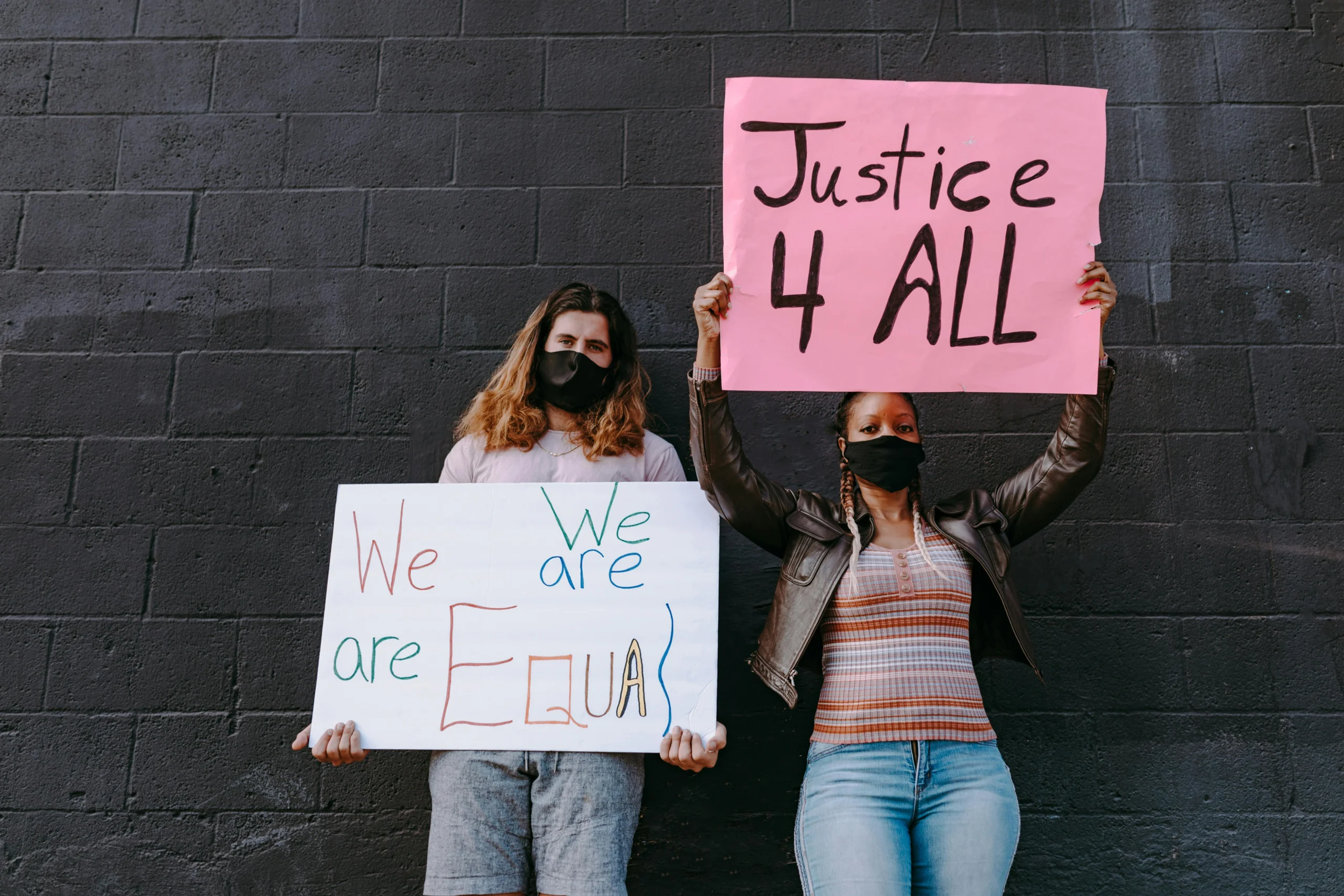
Many people in the UK hear about Human rights in the news but do not fully understand how they affect daily life. You use public services, go to work, attend school, visit the NHS, and interact with local authorities. In all these situations, the law protects your dignity, safety, and freedom. Recent debates about changes to the Human Rights Act have created confusion, which makes it even more important to Know your rights clearly and confidently.
This guide is for workers, students, migrants, families, and anyone who may feel vulnerable or treated unfairly. The Human rights laws in the UK apply to everyone, and they work alongside UK Equality Act 2010 rights to protect people from discrimination and injustice. By the end of this guide, you will understand what protections apply to you and what action you can take if someone ignores them.
What Are Human Rights?
You may hear the term Human rights often, but what does it actually mean for you? In simple terms, these are the basic freedoms and protections that every person in the UK has. They do not depend on your job, background, income, nationality, or beliefs. You have them simply because you are human. The Human rights laws in this country recognise these protections and make public authorities respect them. They also work alongside UK Equality Act 2010 rights, which guard you against unfair treatment in everyday situations. When you truly know your rights, you gain confidence to speak up if someone treats you unjustly.
Definition of Human Rights:
- Basic freedoms and protections every person is entitled to.
- Rights you hold simply because you are a human being.
- Legal standards that protect your dignity, safety, privacy, and freedom.
Key Characteristics:
- Universal:
These rights apply to everyone in the UK, without exception. - Inalienable:
No one can take them away from you without lawful reason. - Equal and non-discriminatory:
The law protects you equally, regardless of race, gender, religion, disability, age, or background. - Legally protected:
UK courts and public bodies must respect these rights under national law.
The Legal Foundation of Human Rights in the UK:
Understanding the legal foundation of your rights is essential in the UK. UK human rights law for everyday life ensures that everyone is treated fairly and protected from discrimination or unfair treatment. Knowing your rights under the UK Equality Act and Human Rights Act helps you navigate work, education, healthcare, and public services with confidence. These laws work together to safeguard individuals in all aspects of daily life.
1. The Human Rights Act 1998:
The Human Rights Act 1998 brought the rights from the European Convention on Human Rights into UK law. It was introduced to give everyone in the UK legal protections that can be enforced in domestic courts. The Act allows you to challenge public authorities if your rights are ignored. Human rights examples UK law show it covers freedoms like privacy, liberty, and fair treatment in everyday situations.
2.The European Convention on Human Rights (ECHR):
The ECHR is an international agreement that sets out basic human rights for all people in member countries. The UK helped create it and remains a key part of protecting citizens. It still matters today because it provides a framework for UK human rights law for everyday life, ensuring courts and authorities uphold freedoms like safety, expression, and equality.
3.The Equality Act 2010:
The Equality Act 2010 protects people from unfair treatment based on characteristics such as age, gender, race, religion, disability, or sexual orientation. These protections form part of UK Equality Act 2010 rights, which complement broader human rights law. Knowing your rights under the UK Equality Act and Human Rights Act helps you challenge discrimination and understand your legal protections in work, school, and public life.
Your Key Human Rights Explained:
Every person in the UK has a set of core rights that protect their dignity, safety, and freedom. The Right to Life ensures everyone can live without threat, while freedom from torture or inhuman treatment keeps you safe from abuse. Freedom from slavery and forced labour stops exploitation. The right to liberty and security, a fair trial, private and family life, thought, belief, religion, expression, assembly, and protection from discrimination all guarantee fair treatment. These rights apply to all individuals, though some may have lawful limits in emergencies or public safety situations.
How Human Rights Apply in Everyday Life:
Understanding your rights under the UK Equality Act and Human Rights Act helps you navigate everyday situations confidently. Knowing the difference between human rights and equality rights ensures you can protect yourself at work, school, healthcare, and public services. Being aware of laws through rights awareness campaigns and accessing rights guidance assistance empowers you to recognise when your protections are ignored. UK human rights law for everyday life impacts real decisions, from education to housing, and helps maintain fairness and dignity.
1. In Healthcare:
In healthcare, your rights ensure dignity in treatment and respect for personal choices. Consent and autonomy allow you to make decisions about care, while privacy of medical records protects your personal information. Understanding your rights under the UK Equality Act and Human Rights Act ensures staff treat you fairly and with respect, supporting your wellbeing in hospitals, clinics, and other health services.
2. In Schools:
Schools must provide protection from bullying and create space for religious expression. Fair treatment is essential so every child can learn and develop safely. Understanding the difference between human rights and equality rights helps students, parents, and staff know how to act when discrimination occurs. Awareness and guidance ensure children feel included and respected.
3. In the Workplace:
Workplaces must protect employees from discrimination and treat everyone with respect and dignity. Whistleblowing protections allow you to report misconduct safely. Rights awareness campaigns inform workers about these protections, while rights guidance assistance helps employees act if their rights are ignored, promoting fairness and equality in everyday professional life.
4. When Dealing with Police:
Your rights include protection when stopped and searched, the right to legal representation, and fair treatment if arrested. Knowing UK human rights law for everyday life ensures you can act confidently while interacting with law enforcement and understand what authorities can or cannot do in each situation.
5. In Housing & Social Services:
The law protects your right to adequate housing and shields you from unfair eviction. Understanding your rights under the UK Equality Act and Human Rights Act allows you to challenge mistreatment by landlords or local authorities. Accessing rights guidance assistance helps you secure housing, support services, and fairness in all aspects of home and community life.
Who Is Most at Risk of Human Rights Violations:
- Ethnic minorities : often face discrimination, unequal treatment, or bias in public services and workplaces.
- Disabled individuals : may experience barriers to access, exclusion, or lack of reasonable adjustments.
- Refugees and asylum seekers : vulnerable to unfair treatment, housing difficulties, and limited legal support.
- Children and young people : can be exposed to bullying, neglect, or unfair treatment in education or care systems.
- Elderly individuals : risk of neglect, abuse, or restricted access to healthcare and social support.
- Victims of domestic abuse : face ongoing safety risks and challenges in accessing protection and support services.
What To Do If Your Human Rights Are Violated:
If someone ignores your rights, act quickly and confidently. First, document everything clearly, including dates, times, and details of the incident. Next, raise a complaint with the organisation involved and keep a record of all correspondence. If the issue is not resolved, contact the relevant authority or regulatory body. Seek legal advice to understand your options, and if needed, go to court. Remember deadlines matter, strong evidence is crucial, and alternative dispute resolution can sometimes solve the problem without lengthy legal action.
Organisations That Can Help in the UK:
Several organisations in the UK provide support if your rights are ignored. Citizens Advice offers guidance on legal and social issues, while the Equality Advisory Support Service helps with discrimination concerns. Legal Aid can fund legal advice or representation when needed. Human rights charities, including our organisation, provide personalised support, advocacy, and advice, helping people understand and exercise their rights. Local advocacy groups assist communities directly, ensuring individuals can access help quickly and confidently when facing unfair treatment or violations.
The Future of Human Rights in the UK:
- Ongoing debates focus on potential reforms to the Human Rights Act.
- Protecting rights today ensures fairness and justice for future generations.
- Community awareness plays a key role in preventing violations and promoting equality.
- Local campaigns and public discussion strengthen understanding of legal protections.
- Active engagement helps society respond to emerging social, political, and technological challenges.
The Role of Education in Protecting Rights:
Teaching people about their rights reduces inequality and promotes fairness. Schools should educate children on their protections and respect for others. Workplaces benefit from diversity and inclusion training, ensuring staff understand how to treat everyone equally. Public rights awareness campaigns and rights guidance assistance improve understanding of the difference between human rights and equality rights, helping individuals recognise violations and act appropriately. Awareness encourages empathy, inclusion, and respect, reducing discrimination and empowering communities to uphold rights consistently in everyday life.
How Communities Can Promote Equality and Justice:
Communities can make a real difference in protecting rights and promoting fairness. Key actions include:
- Advocacy : Speak up for those whose rights are ignored.
- Volunteering : Support organisations that provide guidance and assistance.
- Campaigns : Join or organise rights awareness campaigns to educate others.
- Supporting charities : Help organisations that provide rights guidance assistance and protection.
- Reporting discrimination : Alert authorities or groups when someone faces unfair treatment to strengthen equality.
Wrapping up:
Understanding your rights gives you confidence to stand up for yourself and others in everyday life. It helps you navigate work, school, healthcare, and public services while protecting your dignity and freedom. Being aware of your rights allows you to challenge unfair treatment and feel more secure in situations where you might otherwise feel powerless.
Communities grow stronger when people know and act on their rights. Attend workshops, seek guidance, and support advocacy efforts to create a fairer, more inclusive society. By getting involved, you help others understand their protections and promote equality for everyone.
Are human rights absolute?
No, rights can have lawful limits, especially to protect public safety, order, or the rights of others.
What is the difference between civil rights and human rights?
Civil rights usually protect individuals within a country, often through domestic law, while human rights are universal protections recognized internationally and incorporated into UK law.
Do human rights apply to private companies?
Some rights apply indirectly. Companies must respect equality and anti-discrimination laws, and certain public service obligations extend to private providers.
Can I sue for human rights violations?
Yes, you may take legal action if public authorities or organisations violate your rights, depending on the circumstances.
What are my basic human rights in the UK?
You have rights to life, freedom from torture, liberty, privacy, fair treatment, expression, assembly, and protection from discrimination.